Showing posts with label Agriculture. Show all posts

Saturday, February 25, 2023

Benefits of using a soil moisture meter

A soil moisture meter is a tool used to measure the amount of moisture in soil. It is a useful tool for gardeners, farmers, and other individuals who want to ensure that their plants are getting the right amount of water.

The device usually consists of two metal probes that are inserted into the soil. The meter then measures the electrical resistance between the probes, which is directly related to the amount of moisture in the soil. The meter provides a reading in either analog or digital format, indicating the level of moisture in the soil.

Using a soil moisture meter can help you avoid overwatering or underwatering your plants, which can both be detrimental to their growth and health. It can also help you conserve water by ensuring that you are only watering your plants when they need it.

When selecting a soil moisture meter, consider factors such as the accuracy of the device, the range of moisture levels it can measure, and whether it is suitable for use in the type of soil you are testing. Some soil moisture meters are also equipped with additional features, such as temperature and light sensors, that can provide further insight into the health of your plants.

Overall, a soil moisture meter is a useful tool for anyone who wants to ensure that their plants are getting the right amount of water. By providing accurate and timely information about soil moisture levels, a soil moisture meter can help you keep your plants healthy and thriving.

Monday, November 14, 2022

Tunas Baru Lampung - We Produce and Export Affordable Palm Oil Derivatives by Rudy P.

Tunas Baru Lampung - We Produce and Export Affordable Palm Oil Derivatives by Rudy P.:

Tunas Baru Lampung - We Produce and Export Affordable Palm Oil Derivatives

Established in 1973, PT Tunas Baru Lampung Tbk ( “TBLA” ) is a member of company of Sungai Budi Group, a pioneer in Indonesia’s agricultural industry which was founded in 1947. TBLA was established from a desire to assist the country’s development and to capitalize on Indonesia’s competitive advantage in agriculture. Today, Sungai Budi Group is one of Indonesia’s largest manufacturers and distributors of agricultural based consumer products.

PT Tunas Baru Lampung Tbk began its operations in Lampung in the early 1970s, since then we have grown to become one of the largest and lowest cost vegetable cooking oil producers. PT. Tunas Baru Lampung Tbk was publicly listed in Jakarta Stock Exchange in 14 Feb 2000.

Another member company of the Sungai Budi Group is the publicity listed  PT Budi Starch & Sweetener Tbk  ( Previously PT Budi Acid Jaya Tbk), the largest and most fully integrated tapioca starch manufacturer in Indonesia.

PRODUCTS

Our edible oil and fats product are quickly gaining market share over the years, we have increased our production capacity in Lampung and South Sumatera , where we currently have a market share about 60 percent.
 
We also entered into new markets in 1996 in East java by acquiring a cooking oil refinery. We see this as our gateway to other Eastern Indonesia Markets such as Kalimantan, Bali, Lombok, Maluku, and Irian Jaya. Since this acquisition, we have improved the efficiency of our East Java refinery and expanded our production capacity in 1999.
 
We have also increased the production capacity of refinery and built the second CPO mill in Lampung from the proceeds of Iinitial Public Offering, in starting from year 2000. We are committed to increase our production and maintain the quality of our products. We plan to invest in new crude oil mills in our plantations in Lampung in the near future.
 
In addition to vegetable cooking oil, we also produce crude coconut oil, stearine, crude palm oil, pal kernel oil, other consumer products such as cream soap and laundry soap which utilize fatty acid, a by-product from CPO production.

Since many years ago, the Company has planned to enter into sugar business .This business will be an integrated business , from sugar cane plantation  until sugar mill and sugar refinery.

Our Range of products are :

1. Palm Cooking Oil (PCA) / OLEIN
2. Soaps (Laundry, Bath, and Cream)
3. Palm Kernel Oil (PKO)
4. Crude Palm Oil (CPO)
5. Stearine
6. Palm Fatty Acid Distillate (PFAD)
7. Palm and Copra Chips / Expeller and Pellet
8. Sugar
9. Molases
10. FAME
11. Margarine
12. Glycerine
13. Slop Fatty Acid
14. Biofuel

Monday, November 7, 2022

Inti Agro Universal - We Export Affordable Agricultural Products by Rudy P.

Inti Agro Universal - We Export Affordable Agricultural Products by Rudy P.:

Inti Agro Universal - We Export Affordable Agricultural Products

We are commodity trader company base in Indonesia. Our main product is animal feed, especially palm kernel expeller which we have exported to several country.

Indonesia is one of the largest producers of palm oil in the world, therefore the is so much potential for palm oil. and we are ready to provide the best quality for you.

We have collaborated with many farmers and factory, especially in Eastern Indonesia. With a large agricultural land, we are ready to meet your business needs. 

PRODUCTS

Our products include coffee beans and coconut derivatives such as charcoal briquettes, copra, cocofiber and cocopeat. Spices such as nutmeg, cloves and cinnamon. Organic sugars such as coco sugar and palm sugar. Cassava derivatives such as cassava flour and dry cassava chips. Fruits and vegetables such as durian and organic vegetables.

Holding Perkebunan Nusantara - We Produce and Export Affordable Agricultural Products by Rudy P.

Holding Perkebunan Nusantara - We Produce and Export Affordable Agricultural Products by Rudy P.:
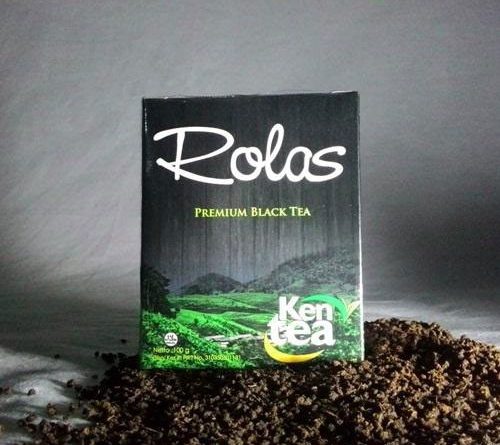
PT. Perkebunan Nusantara III (Persero) Holding is a State-Owned Enterprise Plantation engaged in the management, processing and marketing of plantation products. The commodities cultivated are palm oil, rubber, sugarcane, tea, coffee, cocoa, tobacco, various timber, fruits and various other crops.

Company Vision & Mission

The Company was established with the aim and objective to implement government policies and programs by contributing to the economy and national development, especially in the plantation subsector and increasing profits through sound Company principles based on increasing added value for the country and shareholders.

Area

The total area owned by PT Perkebunan Nusantara III (Persero) Holding Perkebunan is 1,181,751.03 Ha with land concession status around 68% already certified, 20% certificates expired/in the process of renewal and 12% not yet certified. Meanwhile, the total planted area owned by PTPN is 817,536 hectares consisting of palm oil, rubber, tea, sugarcane, coffee, cocoa, tobacco, wood and horticulture commodities. In addition, in order to improve the welfare of the community around PTPN, it also has a plasma plantation area of 457,794 hectares.


Products

- Palm Oil (Crude Palm Oil (CPO); Palm Kernel Oil (PKO0; Palm Kernel; Palm Kernel Meal (PKM))
- Rubber (Ribbed Smoked Sheet - 1 (RSS-1); SIR-10; SIR-20; Lateks Pekat)
- Tea
- Coffee
- Sugar Cane
- Tobacco
- Cacao

Friday, November 4, 2022

Charoen Pokphand Indonesia - We Export Poultry Feed, Day Old Chicks, Processed Poultry Meat by Rudy P.

Charoen Pokphand Indonesia - We Export Poultry Feed, Day Old Chicks, Processed Poultry Meat by Rudy P.: Responding to the economic situation in the midst of the COVID-19 pandemic, CPIN decided to continue the approach and strategy in 2020 which has been proven to be successful in maintaining CPIN’s perf...

Thursday, October 20, 2022

Saraswanti Anugerah Makmur - We Produce and Export High Quality Fertilizers by Rudy P.

Saraswanti Anugerah Makmur - We Produce and Export High Quality Fertilizers by Rudy P.: PT Saraswanti Anugerah Makmur Tbk (PT SAM Tbk), established in Sidoarjo in 1998, is a national private company engaged in marketing and fertilizer industry. Since its inception, PT SAM Tbk has been de...

Wednesday, October 19, 2022

Nusa Palapa Gemilang - We Produce and Export Affordable Fertilizer by Rudy P.

Nusa Palapa Gemilang - We Produce and Export Affordable Fertilizer by Rudy P.: PT. Nusa Palapa Gemilang Tbk has grown and developed very proudly as a producer of non-subsidized NPK fertilizers and various other types of fertilizers. Since its establishment in 2001 until now, whi...

Saturday, September 19, 2020

Advice and Information for Gardener About Providing the Correct Greenhouse Lighting

If you are one of those few people who are in love with nature, then, having a greenhouse garden at your background is an incredible idea. In fact, according to some statistical reports, 80% of the 100 people that owned greenhouses in the United States were nature lovers, while the remaining 20% said it was purely for commercial gains.

Built specially for plant cultivation, greenhouses or hothouses are specially designed to suit the needs of every plant lover. It is a sanctuary where people and plants can bond together and enjoy each other as they fill the world with lush flora and abundant greens.

In as much as greenhouses are designed to provide the perfect environment for any kind of plant, there are some cases wherein the viability of the equipment is still dependent on the owner of the greenhouse or to those who manage the area.

In this sense, it is important for every greenhouse owner to see to it that the needs of the conservatory are being met.

The Greenhouse Setting

Technically, the main concept of a greenhouse is that the plants are placed in a space confined in a specially designed structure. Since the plants were not cultivated in an open area, it is extremely important for the owner to provide the necessary requirements that the plants have.

One should keep in mind that the plants are placed in a secured place; hence, it is the responsibility of the greenhouse owner or the one who manages the place to provide the needs similar to that of the ones being enjoyed by the plants in the exterior environment.

The Lighting

One of the most important necessities of every plant in order to manufacture its own food is the light. You have probably learned from your grade school science teacher that plants need light in order to produce its own food, along with the other factors such as water and air.

With respect to the conditions inside the greenhouse, it is important for the plants to receive adequate amount of light in order to develop and grow on its maximum state. This is especially useful during winter, where no amount of natural light can be produced.

Friday, September 18, 2020

Five Important Factors to Consider When Selecting the Best Lighting for Your Greenhouse

Choosing specific greenhouse lighting can be somewhat tricky. Here are five important factors to consider when making your selections.

1. Type of greenhouse — Before buying greenhouse lighting, you must understand the kind of greenhouse that you have. Is it a commercial greenhouse or a personal one? Knowing what type of greenhouse that you have will determine what kind of lighting to choose. For instance, if you have a commercial greenhouse, it is best that you buy lighting that is created to endure humid, adverse conditions that are commonly found in commercial conservatories. Research your options before making any purchase.

2. Length of use — The duration of light use in greenhouses based on a “photoperiod”— the period in which the light will be used may vary. For example, you may use lighting for a “12-hour photoperiod.” This means that within 24 hours cycle, lighting will be used for 12 hours and 12 hours with no light at all. It is important to buy a light that meets your specific usage needs. Find out what your needs are before making your selections.

3. Purpose — Buy a light that will focus on your desired results. For instance, if you want to motivate the growth of your orchids, it is best to buy a light that will put more weight on the “spectrum colors” like the red, blue and the “far-red wavelengths.” The colors of the light have notable effects on the plant growth. Not all light will produce the desired results. Talk to experts before purchasing.

4. Electrical efficiency — Opt for lighting products that provide optimum effect without having to compromise the amount of energy that they consume. It’s better to buy lights that are efficient and can still conserve as little energy as possible. Ensure that the lighting you buy meets your electrical efficiency requirements.

5. Heat — Remember that lighting should only be used where it is needed. A light that emits more heat as it releases light can be very harmful. Too much heat on a plant will trigger its death. For example, it’s not a good idea to buy an incandescent bulb because it gives out too much heat. Make sure you understand how much heat each lighting option produces before purchasing.

Lighting is an important factor in a plant’s development. Carefully consider the kinds of light you use in your greenhouse in order to ensure the quality of plant growth that you want to achieve.

Tuesday, August 18, 2020

Coal Minister Pralhad Joshi Asks Talcher Fertilizers to Speed Up the Coal Gasification Project

Coal Minister Pralhad Joshi on Tuesday reviewed the progress made in operational activities of Talcher Fertilizers Ltd and asked it to expedite the coal gasification project.

Talcher Fertilizers Ltd is a joint venture between GAIL India Ltd, Coal India Ltd, Rashtriya Chemicals and Fertilizers Ltd and Fertilizer Corporation of India Ltd (FCIL).

“Took stock of progress made in operation activities, by Talcher Fertilizers Limited. Advised them to expedite coal gasification project and assured them of support from the ministry,” Joshi said in a tweet.

The coal gasification-based ammonia-urea project, a first of its kind in the country, would have a design capacity of 2,200 tonnes per day of ammonia and 3,850 tonnes per day of urea, the government had earlier said.

The state-of-the-art plant at Odisha will produce 100 tonne per day of sulphur flakes as a saleable by-product.

The plant will produce 2.38 million tonne cubic metres per day of natural gas equivalent synthesis gas from coal, the government had said.

Earlier owned by FCIL, the plant stopped production in March 1999. Now, Talcher Fertilizers Ltd is reviving its operations.

TFL’s promoters have so far committed Rs 8,000 crore on various awarded contracts, the government had earlier said.

The project will have an output of 1.27 million metric tonne per annum (MMTPA) of ‘Neem’-coated urea using a blend of indigenous coal and pet coke as feedstock.

Up to 10,000 people are expected to be employed during the construction period and over 4,000 direct and indirect employment opportunities will open up once the plant begins operations.

The 10 largest coal producers and exporters in Indonesia:

Click Here! Top Clean Coal Contractors for Power Plant, Gasification, Liquefaction and Emission Control System

Source: Telangana Today

Monday, July 20, 2020

The Potential of Hydrogen Production From Oil Palm Biomass Using Supercritical Water (SCW) Technology

Abstract

Various catastrophes related to extreme weather events such as floods, hurricanes, droughts and heat waves occurring on the Earth in the recent times are definitely a clear warning sign from nature questioning our ability to protect the environment and ultimately the Earth itself. Progressive release of greenhouse gases (GHG) such as CO2 and CH4 from development of various energy-intensive industries has ultimately caused human civilization to pay its debt. Realizing the urgency of reducing emissions and yet simultaneously catering to needs of industries, researches and scientists conclude that renewable energy is the perfect candidate to fulfill both parties requirement. Renewable energy provides an effective option for the provision of energy services from the technical point of view. In this context, biomass appears as one important renewable source of energy. Biomass has been a major source of energy in the world until before industrialization when fossil fuels become dominant and researches have proven from time to time its viability for large-scale production. Although there has been some successful industrial-scale production of renewable energy from biomass, generally this industry still faces a lot of challenges including the availability of economically viable technology, sophisticated and sustainable natural resources management, and proper market strategies under competitive energy markets. Amidst these challenges, the development and implementation of suitable policies by the local policy-makers is still the single and most important factor that can determine a successful utilization of renewable energy in a particular country. Ultimately, the race to the end line must begin with the proof of biomass ability to sustain in a long run as a sustainable and reliable source of renewable energy. Thus, the aim of this paper is to present the potential availability of oil palm biomass that can be converted to hydrogen (leading candidate positioned as the energy of the millennium) through gasification reaction in supercritical water, as a source of renewable energy to policy-makers. Oil palm topped the ranking as number 1 fruit crops in terms of production for the year 2007 with 36.90 million tonnes produced or 35.90% of the total edible oil in the world. Its potentiality is further enhanced by the fact that oil constitutes only about 10% of the palm production, while the rest 90% is biomass. With a world oil palm biomass production annually of about 184.6 million tons, the maximum theoretical yield of hydrogen potentially produced by oil palm biomass via this method is 2.16 1010 kg H2 year-1 with an energy content of 2.59 EJ year-1, meeting almost 50% of the current worldwide hydrogen demand.

1. Introduction

Experts and decision makers widely agree that alleviation of climate change is mankind’s greatest threat and challenge for the 21st century and beyond. Recently in 2007, the Fourth Assessment Report (AR4) of the United Nations Intergovernmental Panel on Climate Change (IPCC) concluded that ‘‘Most of the observed increase in globally averaged temperature since the mid-20th century is very likely due to the observed increase in anthropogenic greenhouse gas concentrations’’ (IPCC, 2007). Progressive emission of greenhouse gases (GHG) has been identified as the main cause of global warming and the target is to limit global temperature rise to a maximum of 2℃. Power- generating plants running on fossil fuels have been identified as the main source of GHG.  Approximately  80% of the world primary energy consumption is still dependent on fossil fuel (Goldemberg, 2006); thus, the substitution by renewable energy sources, in conjunction with other clean energy sources, appears to be the best and necessary alternative. There are many other sources of renewable energy such as solar, wind, and geothermal. But biomass seems to have been receiving a lot of attention lately. Nevertheless, biomass has been a major source of energy in the world until before industrialization when fossil fuels become dominant. For example, countries with extreme conditions found in many poor regions of the world such as Ethiopia and Tanzania derive more  than 90% of their energy from biomass (Silveira, 2005). In fact, International Energy Agency (IEA) in its 2007 report  stated that over 630 million people in the sub-Saharan Africa are using sources from biomass such as wood and crops residues as its primary energy provider (IEA, 2007). Biomass has gained increased attention in the past decade because it not only provides an effective option for the provision of energy services from a technical point of view but is also based on resources that can be utilized on a sustainable basis all around the globe.

Besides direct combustion, biomass can be converted through other processes to generate energy, like gasification to produce hydrogen as discussed in this paper. Hydrogen is often cited as the unlimited clean energy resources. It is colorless, odorless and most importantly is a non-poisonous gas. It has long been acknowledged of its capability and advantages from environment and economic standpoint to replace the conventional fossil fuels. The use of hydrogen in fuel cells is a promising technology to supply heat and power for various applications. Vehicles powered by hydrogen fuel cell technology are three times more efficient than a gasoline-powered engine (Momirlan and Veziroglu, 2005). This technology is already used by several major car producers, which include BMW, American Honda Company and also Toyota Motors. These vehicles are powered by a fuel cell in combination with a nickel metal hydride battery (Momirlan and Veziroglu, 2005). This environmental-friendly technology is certainly in line with the Kyoto Protocol expected to be taken into effect in 2007, which demands the industry to reduce GHG emissions through reduced diesel use (Nath and Das,  2003).

An observation of the past 200 years shows a relation- ship between the level of industrialization and the dependence of fossil fuels of a particular country. Many  countries have thus realized the need to harness local resources to increase the security of energy supply and reverse fossil fuel dependency. As a result, there is a general trend to search for alternative energy involving locally renewable resources. Countries have chosen different paths to move toward sustainable energy systems. For example, the UK Government has set out its ambition of securing 20% of electricity from renewable sources by 2020 (Gross, 2004), while the Ministry of Economic Affairs of Nether- lands stated its goal of 10% renewable energy by 2020 (Agterbosch et al., 2004). Nevertheless, the accomplishments of utilizing renewable energy vary significantly depending heavily on characteristics like government policy and the attitudes and behavior of relevant policy makers (Voogt et al., 2001).

The energy crisis faced by the Brazilian Government during the 1970s due to drastic increase in fuel prices, which led to the formation of Brazilian National Alcohol Policy (PROALCOOL), is a classic example. Perhaps one of the world’s most ambitious efforts to produce renewable biomass fuels (Puppim de Oliveira, 2002), the main objective of PROALCOOL, is to substitute gasoline, the country’s primary energy supply with ethanol obtained from biomass sources such as sugarcane, cassava and sorghum (Rosillo-Calle and Cortez Luis, 1998). Various measures are implemented by the Brazilian Government, which includes transforming the existing agricultural and industrial policies. Realizing the need for cooperation from the private sector, incentives are given to them to encourage innovation and increase investment for related activities. Ultimately, car owners are given further incentives to entice them to shift to alcohol-fueled cars in order to increase the demand. The outcome is promising in the beginning of the implementation with reports stated in 1984, 94.4% passenger cars in Brazil are fueled by ethanol (Rosillo-Calle and Cortez Luis, 1998). However, there is a significant drop in the percentages in the following years due to several contributing factors, which includes the increase in ethanol-fuelled passenger cars, stagnation of the ethanol production, uncertainty by the policy makers toward the program and also global issues that affect the outcome locally (Rosillo-Calle and Cortez Luis, 1998). In the end, this episode shows the importance of policy- making decisions and correct approach to ensure its effectiveness. This is also proven in the case of generation of wind energy in Germany. Within a 10-year period, the generation of wind energy in Germany has increased from about 200 MW in 1993 to about 14,500 MW in 2003. Apart from that, Germany also has the most successful industrial development of renewable energy. This accomplishment is mainly due to the laws by former red–green parliament since 1999: tax exemption for biofuel; strengthen research budget; subsidies and active promotion by people, companies, non-governmental organization (Sawin, 2004). In short, the dynamic growth of renewable energy in  Germany has been driven largely due to the adoption ofa mix of strong policies to create markets for renewable energy. Nevertheless, before any strong policies on renew- able energy from biomass can be drafted and imple- mented, convincing data must be available to prove the availability of biomass to sustain as a sustainable and reliable source of renewable energy in the long run. Thus, the aim of this paper is to present the potential availability of oil palm biomass that can be converted to hydrogen (leading candidate positioned as the energy of the millennium) through gasification reaction in supercritical water (SCW), as a source of renewable energy to policy makers.

2. Availability of oil palm biomass

Oil palm, Elaeis guineensis, is a tree whose fruits are used for extraction of an edible oil. Originated from South Africa, it is cultivated in all tropical areas of the world and it has become one of the main industrial crops. The reddish colored fruit grows in large bunches, each weighing at about 10–40 kg. Inside each fruit is a single seed, also known as the palm kernel, surrounded by the soft pulp.  The oil extracted from the pulp is an edible oil used as cooking, while that extracted from the kernel is used mainly in soap-manufacturing industries. Oil palm fruit is usually harvested after 3 years from planting. Maximum yield is achieved in the 12–13th year, and then continuously declines until the end of the 25th year (Abdullah, 2003). Replanting usually occurs after the 25th year. Oil palm topped the ranking as number 1 fruit crops in terms of production for the year 2007 with 36.90 million tonnes produced or 35.90% of the total edible oil in the world (MPOC, 2007). Oil palm is a multipurpose plantation and also a prolific producer of biomass as raw materials for value-added industries (Basiron and Simeh, 2005). For example, fresh fruit bunch contains only 21% palm oil, while the rest 6–7% palm kernel, 14–15% fiber, 6–7% shell and 23% empty fruit bunch (EFB) are left as biomass (Umikalsom et al., 1997).

Oil palm is now one of the major economic crops in a large number of countries, which triggered the expansion of plantation area around the world (Yusoff, 2006). Its availability is a strength, since oil palm tree can be cultivated at any tropical country and it is one of the main oil crop in the Asian and African region. The data of estimation on the oil crops production and area harvested for the year 2004 in Asia and Africa are shown in Table 1. Overall, oil palm accounts for about 29.04% of the total oil crops production in Asia and 21.16% for Africa (FAO, 2007). Currently, Malaysia is the largest producer and exporter of palm oil, producing about 47% of the total world supply. Its total mature areas of oil palm plantation represent 56% of total agricultural land and 11.75% of the country’s total land area. The evolution of world plantation area of oil palm from 1980 to 2005 is shown in Fig. 1 (Abdullah, 2003). In 2005, productive oil palm plantations, in million hectares, were Malaysia (3.410), Indonesia (3.320), Colombia (0.160), Ivory Coast (0.152), Papua  New Guinea (0.088), others (1.406), with a grand total of 8.536 million hectares worldwide (Basiron and Simeh, 2005).


With the projected growth in the cultivation of oil palm, the destination of the huge amount of residues raises concerns. The supply of oil palm biomass and its processing byproducts are found to be 7 times the availability of natural timber (Basiron and Chan, 2004). Every year, the oil palm industry produces more than one hundred million tonnes of residues worldwide. One hectare of oil palm plantation generates about 21.625 tonnes per year of biomass residues. Fronds and EFB are almost 50.31% and 20.44%, respectively, as shown in Table 2 (Saka, 2005; Singh et al., 1999; Goyal et al., 2006). The amount of residues produced from oil palm plantation is much larger in comparison with other types of biomass produced in Malaysia. It is estimated that oil palm plantation generates 73.74 million tonnes of biomass per year. In 2000, paddy residues were 1.327 million tonnes, sugarcane residues were 0.356 million tonnes, wood industries residues were 2.177 million tonnes and municipal solid waste 5.05 million tonnes (Pusat Tenaga Malaysia, 2006). World annual production of oil palm residues amounts to 184.6 million tonnes and world agricultural amounts to 9.10 billion tonnes. The percentage of biomass produced from oil palm has increased tremendously since 1980 until recently, contributed by the expansion of the crop plantation due to the high demand for palm oil as shown in Fig. 2 (Nath and Das, 2003; Malaysia Palm Oil Council, 2007). This abundant biomass can be converted through gasification via supercritical water process to produce a highly valuable end product, i.e. hydrogen.


Oil palm biomass generally consists of cellulose, hemicellulose and lignin, and composition varies according to plant species. Cellulose with a molecular weight of about 100,000 is essentially a polymer with linear chains of glucopyranose units linked to each other by its 1, 4 in the 𝛂 configuration. Hemicellulose is a complex mixture of several polysaccharides such as mannose, glucose, xylose, arabinose, methylglucoronic and galaturonic acids. Its average molecular weight is of about 30,000, and it is a component of the cell wall. Lignin is a mononuclear aromatic polymer also found in the cell wall. Due to the near position of hemicellulose and lignin in the cell wall, adjacent to each other, both these compounds can form a complex termed as lignocellulose (Goyal et al., 2006).

Components of the oil palm biomass residues that can be used for gasification are EFBs, mesocarp fibers, palm kernel shells, palm tree trunks and fronds (Saka, 2005). Table 2 identifies the chemical composition of each type of biomass residue, which concludes that cellulose and hemicellulose are the main components of oil palm biomass, especially for EFB, fronds, mesocarp fibers and palm tree trunks. The only exception is for palm kernel shells where lignin is the largest constituent.

Currently, oil palm biomass is converted into various types of value-added products via several conversion technologies that are readily available. For example, fibers from empty fruit bunches are found to be an ideal material for the making of mattresses, seats, insulations, etc. (Basiron and Simeh, 2005). Paper-making industry has long utilized paper pulp from oil palm biomass for its various end-use purposes. Ashes produced from incinerat- ing the empty fruit bunches are used as fertilizer/soil conditioner due to its high organic and nutrient content beneficial to crops. Nevertheless, the current utilization of oil palm biomass has its limitations. In the paper-making industry, the presence of even a small quantity of oil can cause fouling to the end product, therefore affecting its quality. On the other hand, the volume of oil palm biomass produced annually is much larger than the amount used in these conversion processes. Therefore, surplus will occur, ultimately causing the biomass to be discarded. Fiber, shells and empty fruit bunches that form a large quantity of biomass are generally dumped in open areas or disposed off in open burning, generating pollutant gases (Yusoff, 2006). In other cases, fiber and shells are used as the source of energy for the processing mill itself to generate heat and electricity via combustion (Yusoff, 2006). However, this is not practical due to the high moisture content in the biomass and the huge amount of energy required for complete combustion, thus reducing the energy efficiency. Realizing the above complications, there is an urgent need for transforming this residue into a more-valuable end product. A promising option is by converting it into hydrogen via gasification using SCW technology. Oil palm biomass is the perfect candidate as feedstock for the gasification process. It has high energy and moisture content  (>50%),  which  is  an  integral  requirement  for reactions in SCW reaction and for the generation of renewable energy. The insignificant amount of trace minerals in the biomass composition is an advantage for the reaction. The availability of oil palm biomass all over the year allows continuous operation of the process.

3. Oil palm biomass gasification in supercritical water (SCW)

The properties of water displayed beyond critical point plays a significant role for chemical reactions especially in the gasification process. Below the critical point, both the liquid and gas phases exhibit different properties, although it is apparent that these properties become increasingly alike as the temperature arises. Ultimately, when it reaches the critical point (temperature >374℃, pressure >22 MPa),  the  properties  of  both  liquid  and  gas  become identical. Over the critical point, the properties of this SCW vary in between liquid-like or gas-like conditions (Kruse and Dinjus, 2007). Liquid water, well below the critical point, could not be utilized in reaction with biomass feedstock, since it is not miscible with organic substances. On the other hand, SCW is completely miscible with organic substance as well as with gases. Other roles of water for chemical reaction in the supercritical state have been reported in detail in the literature (Lu et al., 2006). Water plays various roles in facilitating the gasification reaction, due to its unique ability and properties. The hot compressed water molecules can participate in various elementary reaction steps as reactant, catalyst and medium. In the gasification reaction, the biomass under severe conditions is instantaneously decomposed into small molecules of gases in few minutes, at  a high efficiency rate. A gaseous mixture of hydrogen, carbon dioxide, carbon monoxide, methane and other compounds is obtained from the reaction (Ni et al., 2006). The chemistry of the reaction during the gasification under the influence of SCW and pressure is often cited as complicated and complex as it involves multiple reactions that occur simultaneously to produce the gaseous and liquid mixture. However, 3 main reactions are identified: (1) steam  reforming, (2) methanation and (3) water–gas shift reactions (Hao et al., 2003). The reactions are identified as follows (Aurand, 2001):
In reaction (1), the biomass reacts with water at its supercritical condition in the steam-reforming reaction to produce gaseous mixtures of hydrogen and carbon monoxide. Subsequently, the carbon monoxide produced from the first reaction will undergo an inorganic chemical reaction termed as water–gas shift reaction with water to produce more carbon dioxide and hydrogen as shown in reaction (2). It is possible that the carbon monoxide produced from reaction (1) between water and biomass caused the equilibrium of the water–gas shift reaction to shift to the right, ultimately producing more hydrogen in the end product. In the last reaction, methanation will  occur where the carbon monoxide will react with hydrogen in the earlier reaction to obtain methane and water as its end product. It has been discovered in previous researches that the methanation reaction can be suppressed by using water in the liquid form instead of steam with the addition of nickel catalyst (Minowa and Inoue, 1999).

The utilization of SCW medium in biomass gasification has several advantages. It can directly deal with high moisture content biomass (>50%). Therefore, preliminary treatment such as biomass drying can be avoided, advantageously preventing the high cost related to that process (Calzavara et al., 2005). With this  flexibility, other biomass sources with high water content can be used in this particular reaction. For instance, in the year 1993–2000, a comprehensive experimental investigation was carried out by Hawaii Natural Energy Institute (HNEI). The gasification temperature is 650℃ and pressure was above  the critical pressure of water (22 MPa) utilizing various kinds of biomass feedstocks such as wood sawdust and sewage sludge (Antal et al., 2000). Positive results were achieved with near 100% gasification  efficiency  and  high  content  of   hydrogen (57 mol%). Minowa and Ogi (1998) from the National Institute for Resources and Environment (NIRE) of Japan conducted a thorough study using cellulose and wood from Japanese oak. With a temperature of 350℃ and a pressure of 17 MPa inside a batch reactor, the end product obtained is a gas composed of hydrogen and carbon dioxide. It is found that the percentage of char and tar formation is greatly reduced and gas yields reached up to 94 wt% when using cellulose as the raw material and 55 wt% for wood. In 2003, Kruse and Gawlik (2003), using both batch and continuous reactor, treated 2 different starting materials of model compounds and real waste in SCW with a temperature of 600℃ and 250 bar with the addition of KOH salts. It is observed that the raw material is 100% transformed into hydrogen-rich gas without any formation of tar and chars.

The SCW medium allows the optimization of the strongly pressure-dependent properties. The hydrogen is produced at high pressure, therefore a small volume  reactor and low energy for pressurization in the storage tank are required. Minimum production of organic compounds and solid residue are added advantages, since tars and chars can cause plugging in the reactor if they are not constantly removed.

Hydrogen production via SCW technology represents a potential source of renewable energy for the future. It is estimated that the cost of hydrogen production via SCW gasification ranges between US $3–7 GJ-1 or  US $0.35 kg-1 (Ni et al., 2006) as compared with the current method, stream reforming of natural gas, whose cost averages between US $5–8 GJ-1 (Watkiss and Hill, 2002). However, the exact costs are expected to differ slightly for different kinds of biomass depending on its origins. In comparison    with    other    conventional    and alternative processes for hydrogen production, SCW gasification of biomass is by far the most cost-efficient method to produce hydrogen as shown in Fig. 3 (Watkiss and Hill, 2002; Ni et al., 2006). Comprehensive study has been carried out with great success on this technology, utilizing biomass such as corn starch, clover grass, wood dust, organic waste, industrial waste, etc. (Saka and Ueno, 1999; Van de Beld  et al., 2001; Matsumura, 2002; Hao et al., 2003; Yoshida et al., 2004; Jesus et al., 2006). The results report high percentage of hydrogen in the end product and very little production of residues.


4. Thermodynamic analysis of hydrogen production from oil palm biomass

4.1. Energy efficiency of the gasification reaction

In order to calculate the energy efficiency (Ee) of the gasification reaction, Prins et al. (2003) define it as the sum of external energy of the desired products divided by the total process inputs. However, in their studies, only  hydrogen is taken into account as the desired output, without considering other end products. In this paper, for a more complete analysis of the reaction and the energy efficiency, we define the desired end product as a mixture of hydrogen, carbon monoxide, carbon dioxide and also methane. As shown in Table 4 for comparison between different fuels, hydrogen has the highest energy content, 120 MJ kg-1, compared with others such as automotive diesel, which is about 45.6 MJ kg-1.


Besides the chemical energy of the mixture gases, it is also vital to include heat recovery into the calculation since it contributes significantly to the efficiency of the reaction. As shown in previous studies by Calzavara et al. (2005), which compares the energy yield with and without heat recovery in the SCW gasification for corn starch and sawdust determine that a comprehensive heat recovery unit can increase the percentage of efficiency of about 10–25% higher compared to those without a recovery unit. In the gasification reaction, heat can be recovered from the energy released from product, ΔHp, and the heat of reaction, ΔHr. Therefore, the energy efficiency defined in this paper is the ratio of total chemical energy from products (hydrogen, carbon monoxide, carbon dioxide and methane) plus the heat released (product and reaction) to the overall chemical energy contained in the feedstock (biomass and water) plus the energy required for heating of the biomass ΔHf, in the reaction. For this reaction, it is assumed that process heat   is provided by wood combustion with an efficiency of 75%.

In order to determine the thermodynamic values of the reaction, it is vital to determine the stoichiometry of the reaction first. In the reaction, oil palm biomass is assumed to be fully converted to gases (hydrogen, carbon monoxide, carbon dioxide and also methane) and the reaction occurs at a temperature of 1000 K (727℃) and at a pressure of 30 MPa. The stoichiometry of the gasification reaction between oil palm biomass (cellulose) and water is expressed as below:
From Eq. (5), in terms of mole percent, the gas product consists of 61.29% hydrogen, 32.25% carbon dioxide, 3.23% methane and 3.23% carbon monoxide. This percentage of hydrogen and other end products acquired from the stoichiometry equation is consistent with the experimental and theoretical results reported in previous studies using different biomasses with similar constituents (Feng et al., 2004; Antal et al., 2000). The chemical external energy of a compound can be defined as the total work that can be obtained when a particular compound is brought from its reference state to its dead state (Prins et al., 2003). For the gaseous compounds, the chemical external energy can be calculated from Gibbs free energy of formation and fugacity  where  information  such  as  enthalpy,  entropy  and heat capacities can be easily obtained from the literature. In the case of oil palm biomass, the thermodynamic properties are not available. Therefore, a specific correlation must be used. The chemical external energy for biomass can be calculated from a correlation of Szargut and Styrylska (1964) (in Saletes et al., 2004) as given below in:
where
The weight fractions of each component in the biomass are determined from the ultimate analysis of the oil palm residues and are presented in Table 3 (Umikalsom et al., 1997; Saletes et al., 2004). The chemical external energy of oil palm biomass calculated is 21.21 MJ kg-1 biomass. As mentioned previously, the chemical energy of the end gas product is represented in terms of Gibbs free energy of formation and fugacity (Tang and Kitagawa, 2005). It can be calculated from Eq. (8) below where DH and DS are the enthalpy and entropy of the respective gases (Table 4).

ΔG = ΔH - TΔS (8)

Enthalpy, entropy and heat capacity data for each component at its reference state are presented in Table 5 (Smith et al., 2001; Tang and Kitagawa, 2005). All the data are obtained from established database utilized elsewhere for the same purpose of calculation. Utilizing Eq. (7) and data from Table 5, we can now calculate the energy efficiency of the reaction as summarized in Table 6. Substituting into Eq. (4) above, the theoretical energy efficiency of the gasification reaction of oil palm biomass, with heat recovery, is about 72.91%. Without heat recovery, the energy efficiency is only around  46.54%. The large difference in values proves that heat recovery plays an integral role in the reaction. The percentages are overestimated since it is based on ideal case with no energy losses to the surrounding and heat recovery unit functioning at 100% efficiency without heat losses. The real energy efficiency percentages are about 10–25% lower than the thermodynamic values (Calzavara et al., 2005).

1 LHV = lower heating value; equation is valid only for ZO2 / ZC < 2.67; ZO2, ZC, ZH2 and ZN2 are the weight fractions of oxygen, carbon, hydrogen and nitrogen, respectively in the biomass

4.2. Pure hydrogen production efficiency

Pure hydrogen production efficiency (Eh) in the gasifica- tion reaction is an important parameter that must be accurately studied. There are several methods to determine the magnitude of this efficiency. The method developed by Calzavara et al. (2005), and used in this paper, considers the LHV—lower heating value of input and outputs. Therefore, the hydrogen efficiency is the ratio of hydrogen output to the biomass input plus external energy minus energy recovered, as presented in Eq. (9). Similar reaction conditions (temperature, pressure and source of heating) as mentioned in the previous section are applied.  The equation used to calculate the Eh is shown in  Eq.  (9)  below and the calculation results are shown in Table 7.
From Table 7, the maximum theoretical pure hydrogen production efficiency was found to be 34.93% without heat recovery and 57.96% with heat recovery. It is assumed to be an ideal case when there is no energy loss, therefore the values are overestimated to about 10–25%. Large-scale application of this technology requires improvements in energy recovery and the optimization of various para- meters to ensure that the reaction is well controlled and is able to reach its maximum conversion. In conclusion, the positive energy efficiency obtained in the laboratory scale points out a viability for hydrogen production from oil palm biomass gasification.


4.3. Energy and  hydrogen production and potential

After evaluating the efficiency of pure hydrogen produc- tion, it is important to determine the potential amount of hydrogen that can be generated from oil palm biomass. In the calculation, the stoichiometry equation (5) is used as the model to obtain the estimation. The hydrogen percentage  in  the  end  product  gas  mixtures  is  61.29%, which is consistent with the experimental data recorded on studies for gasification reaction using other biomasses with similar constituents (Feng et al., 2004; Antal et al., 2000). From Eq. (5), the theoretical maximum yield of hydrogen  is about 0.117 kg H2 kg-1 biomass. As mentioned before, world oil palm biomass production annually is about 184.6 million tons (1.846 1011 kg biomass yr-1). Therefore, considering  these  data  and  both  100%  and  50% efficiency, 21.6 and 10.8 million tonnes of hydrogen can be produced every year, respectively. Currently in 2006, the world hydrogen production is estimated to be at about 50 million tonnes with 10% expansion yearly (Momirlan and Veziroglu, 2005). With the inclusion of hydrogen produced from oil palm biomass, the world hydrogen production can increase maximum up to 43.2% yearly. The increasing expansion of oil palm plantation area in most of the countries where it is cultivated may provide a large source of biomass for hydrogen production (4–10%, yearly). This certainly indicates the potential of the above method to increase the hydrogen supply in the world. The evaluation of the input:output (O/I) ratio of energy values for oil palm biomass is also an important parameter. Basiron and Simeh (2005) have estimated the total input energy of 19.2 GJ ha-1 yr-1 for oil palm. The gasification of oil palm biomass produces a total energy output of 190.96 GJ ha-1 yr-1 . Thus, an energy O/I ratio of 9.9 is found. The high ratio is another evidence of the viability of the reaction in transforming the high-energy biomass into higher energy end product.

The capacity and contribution of the energy generated via this method depend on biomass availability. Capability and viability will depend more on efficiency of the process at a large-scale unit. For the past decades, Malaysia has been heavily dependent on fossil fuels as its source of energy, which caused renewable energy to be left behind and Malaysian crude oil reserves are expected to be completely depleted in the year 2010 (Mohamed and Lee, 2006). In 2005, in Malaysia, fossil fuels (coal, coal products, crude oil, natural gas liquids and natural gas) were 87.9% of the total energy supply and renewable sources (hydroelectricity and primary solid biomass) were 12.1%. The total primary energy production in Malaysia, in 2004, was 2.381 EJ with only 4.9% (0.117 EJ) of the total energy coming from combustible renewables and waste (International Energy Agency, 2005). From the estimation based on total oil palm biomass produced in 2006 (73.74 million tons), the nett energy that could potentially be produced in Malaysia via this method would be 0.62 EJ yr-1 with an assumption of 50% production efficiency. If the potential energy produced is then added to the current total energy for Malaysia, then it will see a significant increase from 4.9% to 30.95% in the total energy that comes from renewable source and overall 26.04% increase in the total energy production for Malaysia.

From the world aspect, International Energy Agency (2005) reports total world primary energy supply in 2004 of 11,059 Mtoe (464.48 EJ). Renewable sources were 58.9 EJ (12.7%). Considering world oil palm biomass production and 50% efficiency, 1.55 EJ could be generated. However, it is important to bear in mind that the values estimated are at the very minimum. Higher percentages of production are achievable with a better-equipped comprehensive system.

Hydrogen production via the SCW gasification of oil palm biomass represents a potential source of renewable energy for the future. Oil palm biomass availability increases substantially as demand for palm oil increases and supply energy security  is likely  to be  guaranteed.  Hydrogen  production is 10.8 million tonnes each year with an O/I energy ratio of 9.9.

5. Conclusions

This paper gives an overview on the potential of oil palm biomass as the raw material in the gasification reaction using SCW technology to produce hydrogen. From the discussion and theoretical calculations carried out, has been proven the feasibility of obtaining hydrogen from biomass as a source of renewable energy has been proved. With an annual world oil palm biomass production of about 184.6 million tons, the maximum theoretical yield of hydrogen potentially produced by oil palm biomass via this method is 2.16 1010 kg H2 yr-1 with an energy content of 2.59 EJ yr-1 , meeting almost 50% of the current worldwide hydrogen demand.

Source: Tau Len Kelly-Yong, Keat Teong Lee, Abdul Rahman Mohamed, Subhash Bhatia - School of Chemical Engineering, Engineering Campus, Universiti Sains Malaysia, Seri Ampangan,
14300 Nibong Tebal, Seberang Perai Selatan, Pulau Pinang, Malaysia


Thursday, May 28, 2020

How to Earn Extra Income With Gardening in Your Home Landscape?

This article is actually an example of a simple yet, excellent marketing plan. Pay close attention to how I went out and found new business at a time of the year when things are normally slow, and not only did I make $1,148.00, my friend Franky also made $1,060.00.

Because I chose to keep myself out of the rat race of landscaping new homes, I went after a market that was more of an impulsive type market.  New home landscaping is almost a necessity, since new homes don’t have any shrubs or grass.  Not only that, many housing developments actually require people to have their landscaping done within a certain number of months from the time they move into their new homes.  Therefore, when the house is done, people are anxious to get it landscaped.

Since I wasn’t in that market, and most impulsive gardening decisions are made in the spring, my business typically slowed down during the very hot summer months.  So one year I decided to do a little test marketing, to see if I could muster up some work during the summer.

I decided to do a test mailing to 350 homeowners in an area where I knew the people could afford landscaping services, but were not extremely rich.  I mailed a letter to these 350 homes, and the letter  basically said I could help them with any landscaping project that needed done, and because my business was slow during the summer I could give them a really fair price.

Of the 350 people that received the letter 3 called me.  I immediately sold two jobs, and the third job was still open for discussion.  On one of the first two jobs I made about $350. and on the other I made about $700.  That’s net profit.  That’s how much I got to keep. Since the mailing cost less than $175., my immediate profit on the mailing was $875.  Not bad at all considering this was only a part-time business for me.  But don’t forget about that third caller.  I had not even met this person yet.

The reason he called is because he happened to own a 60 unit apartment building in the Cleveland area, and he needed some trees or shrubs planted around the parking lot.  The architect that he had been working with suggested Taxus Hicksi, which is an evergreen that is easily trimmed and maintained to a certain size.  However, all the landscapers he had spoken with in Cleveland wanted about $44.00 each to install these plants.  Although a fair price, that amounted to $4,664.00 because he needed 106 plants.

He contacted me because he was hoping I could find a less expensive plant to use. After visiting the job site I realized that Taxus Hicksi actually was about the best choice for this situation, so I told him I would see if I could get a better price on the plants.  I showed in a wholesale catalog that the wholesale price was $22.00 per plant, but mentioned that I might be able to find another source.

I knew that my friend Franky did at one time grow this particular plant, so I gave him a call.  Turns out he did have 106 plants available, and was anxious to move some of them, he quoted me $10.00 each, balled in burlap. I called my customer and told him that I found good plants at a lower price, and that I could actually deliver and plant them for $22.00 per plant, which is exactly half of what others had quoted him.  He was delighted, and I did the job.  As a matter of fact he actually asked me to install some additional plants while I was there.

I hired 3 guys to help me do the job, and we had it done in one day.  After I paid for the plants, and paid my help, I actually made $1,148.00 on that one day job.  My customer was so happy with the work we did that he asked me to come back the following week and do about another $700.00 worth of work.  I made another $350.00  The following spring he hired me to re-landscape an older home that he had purchased, and I made another $600.00.

Remember the $175.00 that I spent to mail those 350 letters?  The net profit on that mailing turned out to be about $2,973.00!!!  And my friend Franky picked up $1,060.00 for the plants I bought from him. Were these 350 people I selected special?  No they weren’t.  Every town in America has at least 350 people just like them, probably thousands more.

There are many different ways to make money with plants, this is just one of them, I can show you plenty more. I’ve been making money with plants for over 25 years.


Saturday, April 11, 2020

HUMAXX MicGAS Biorefinery Can Convert Mined Coal in Anaerobic Bioreactors to Hydrogen-rich Methane Biogas for Agriculture Use

Energy projections have shown that coal will be needed to meet today’s and tomorrow’s energy demand. However, overcoming the challenges facing the coal industry, whether legislative, technical, or from activist opposition, will require a shift in traditional thinking around coal conversion; options beyond combustion and liquefaction should become a larger component of the coal conversion industry. Specifically, we believe that employing biotechnology overcomes these challenges by creating clean energy while producing higher- value products that meet the needs of the large agriculture and environmental protection and remediation markets.

HUMAXX MICGAS™ BIOREFINERY

One example of such biotechnology is the HUMAXX MicGAS™ biorefinery, which uses termite-derived microbes to convert mined coal in anaerobic bioreactors to hydrogen-rich methane biogas, carbon-rich organic humic liquid for agriculture use, and a solid coproduct that can be used to adsorb (i.e., remove) toxic contaminants from wastes and waters. For unmineable coal seams, bioconversion can occur in the seam itself and the biogas can be recovered gradually.

This biotechnology utilizes every component that makes up coal. Even heavy metals, such as mercury (Hg) and arsenic, which must be captured in other coal conversion processes, become part of the solid coproduct; these metals remain permanently bound and are not released. One of the main products, methane, can be used to generate electricity or converted to other low-carbon liquid fuels or chemicals.

ARCTECH’s envisioned biotechnology plants could convert coal into several useful products.

Another major product, organic humic acid, is sold to the agricultural industry for use as a soil amendment, a practice that is gaining recognition globally. For example, in the U.S., organic humic products have received approvals from the Environmental Protection Agency and the Department  of Agriculture and are also supported by various trade organizations. In China, the Bureau of Agriculture recently set standards for the agricultural use of humic acid. Humic acid for this purpose is under the trademark Actosol® (a liquid organic humic fertilizer).
“This technology allows the coal industry to follow the successful business model employed by petroleum companies for decades…”
In addition to being a soil additive, humic acid can also be converted into products that adsorb toxins, such as heavy metals, as well as products that facilitate waste recycling. Such products are currently in use under the trademarks HUMASORB® (a multipurpose contaminant adsorber) and Actodemil® (for waste recycling). These products are being proven in realworld applications (visit www.arctech.com for additional details). For example, it has recently been demonstrated  that HUMASORB® can remove CO2, SOx, NOx, Hg, and other trace metals from coal combustion and gas streams; spent HUMASORB® can also be converted into a water filter.

Through conversion to the various products, the patented MicGASTM biotechnology can lead to zero-waste coal conversion. An integrated flow schematic for both mined coals and unmineable coals is shown in Figure 1. There are several options for carrying out this biotechnology, including using only mined coal, using only unmineable coal in the seam, or a combination of both in an integrated process. For mined coal, Steps 1–3 are carried out in bioreactors. For unmineable coal seams, coal is converted in situ into methane-rich gas, which is then extracted from the seam. In an integrated version of the process, the methane-rich gas from the unmineable coal seam is sent to above-ground bioreactors containing mined coal and then all the gas can proceed through Steps 1–3.

During Step 1, microbes convert solid coal into soluble organic liquids, such as acetate. In Step 2 the liquid, along with gases that are produced, are contacted with methane-producing microbes that hydrogenate the acetate and CO2 into methane- rich gas. 

FIGURE 1. Integrated MicGAS™ biotechnology process flow scheme

In Step 3 the methane-rich gas is then separated from the humic-rich coal residue; this coal residue is then subjected to digestion by aerobic microbes followed by chemical extraction and separation into liquid and solid humic acid. The liquid and the solid humic acid are then formulated into agricultural and environmentally useful products. Step 4, which is only applied to unmineable coal seams, includes injection of Mic microbial inoculants and nutrients directly into the coal seam. Step 4 has been termed MicGAS™ in situ.

Depending on the characteristics of the unmineable coal seam, injection and multiwall recovery wells or directional wells can be utilized to increase proliferation of the microbes and nutrients, taking advantage of new drilling techniques developed and currently employed for coal bed methane and shale gas extraction. Once sufficient microbes are established in the target coal seam, only nutrients must be added to maintain long-term methane-rich gas production. As is shown in Figure 1, no humic acid products are produced in Step 4, but in the integrated process the methane-rich biogas containing CO2 can be sent through the above-ground bioreactors to further convert CO2 to methane and increase the amount of gas, if desired. Current estimates indicate that about 10–25% of the carbon in mined coal can be converted to methane-rich gas while the remaining carbon is converted into organic humic acid products.

When the in situ biotechnology is applied to unmineable coal seams, the production of the methane-rich gas occurs over time. However, this approach takes advantage of the coal seam as a large, natural anaerobic geobioreactor. Large volumes of coal can be treated without incurring the capital costs of the bioreactors; there is a much lower cost associated with drilling.

As noted, the in situ approach can be deployed as a stand- alone process for producing only methane-rich gas. However, the integrated approach, wherein methane-rich gas from the unmineable coal seam is sent to above-ground bioreactors, provides increased production of economical methane-rich gas, while also producing higher value humic acid products. It also provides the flexibility to use both mined and unmineable coal, ensuring a reliable fuel source. Water usage in above ground reactors is about one cubic meter for every ton of coal, and it is completely utilized in the process without producing any wastewater. All the process water and the water contained in the coal become part of the organic humic products, which provides moisture when the humic products are added to soil.

PRODUCT VALUE

As is shown in Figure 1, the two primary yields from the HUMAXXTM biorefinery are methane and humic acid products. This technology allows the coal industry to follow the successful business model employed by petroleum companies for decades: Produce large volumes of low-value energy products and lesser volumes of (comparatively) high-value non-energy products. The overall economics are based on the sum total of the value generated from both products: low-carbon fuel and humic-acid derivative products.

The value of the products is of even greater interest when considering that the raw material could be coal that is otherwise unmineable, and therefore of little value. This represents a major opportunity in some areas. For example, the U.S. Geological Survey estimates that there are about 9.5 trillion tons of coal resources in the U.S. (including Alaska), but the vast majority of these resources are not economically and/or technically recoverable.2,3

Low-Carbon Fuel

The methane from the process can be used directly for clean energy production or can be converted to other clean fuels using techniques practiced commercially today. The energy security value and economic benefits of producing clean, low- carbon fuels from coal are already well known, so they are not explored further in this article. It is worth noting, however, that there are many regions where coal is abundant and natural gas prices are high; in such cases there may be a particularly strong incentive to employ biotechnology-based coal conversion.

Humic Acid Product: Agricultural Use

The usefulness of humic acid for increasing soil fertility has been recognized for centuries. In recent years there has been an upsurge in scientific research on humic acid as well as a general increase in interest in improving soil for agricultural uses and environmental protection. Because coal originates from plant matter, it is a rich source of humic acid and the MicGAS™ biotechnology offers a means to take advantage of it through the production of Actosol®, which is currently being used at farms in the U.S., Egypt, and China.

Humic Acid Product: Environmental Remediation

The helix-like structure in humic acid gives it versatile characteristics, including the ability to adsorb toxic compounds during environmental remediation applications. Examples of applications include cost-effective removal of metal and organic toxins from contaminated waters, recycling of industrial wastes, and even the safe disposition of dangerous chemical agents and explosives.

HUMASORB®, a multipurpose adsorber made from lignite- derived humic acid, is currently being demonstrated for removing contaminants from acidic mine drainage, industrial wastewater discharges, and municipal sewage wastewaters as well as radioactive contaminants from nuclear power plants. Based on market analysis of these two sectors in the U.S., it is estimated that almost 500 million tons of coal per year would be required to produce enough HUMASORB® to be used for this amount of environmental remediation.

Humic Acid Product: Carbon Storage

Experts have determined that the soil organic matter is the fourth-largest storehouse of carbon after sedimentary rocks, fossil fuels, and oceans.4 In the MicGASTM process, most of the carbon is converted into humic products, meaning that it does not enter the atmosphere. (In addition, it should be noted that the clean fuels produced offer a low-carbon intensity energy source.) However, there is an added benefit: When added to soil, carbon-rich humic acid increases growth in plant matter, which effectively removes carbon from the atmosphere.4 In this way, when applied to mined coal the process can actually be considered carbon negative, which will enable it to be readily applied in a carbon-constrained world.

CASE STUDY: APPLICATION ON TURKISH LIGNITE

Turkish lignite is generally high in ash and moisture content and thus is very low in calorific value. Ash content ranges from 20–50+% and moisture can be as high as 50%. Lignite accounts for almost 90% of Turkey’s coal resources and is primarily used for power generation. Turkey imports almost 90% of its natural gas and oil, incurring high costs and reducing energy security. For this reason Turkey has a national interest in supporting technology development and deployment that will allow the country to utilize its vast lignite resources to improve energy security and reduce overall energy costs.

The application of a HUMAXX MicGAS™ coal biorefinery is a natural fit. In collaboration with Turkish Coal Enterprises, the largest coal mining company in Turkey, the technology was demonstrated on mined lignite from the Bursa and Mugla- Husamlar mines and also lignite from a deep unmineable lignite coal seam in Mugla-Husamlar.

For the demonstration test the coal samples were ground until they were a typical size for pulverized coal. The samples were then subjected to digesting with anaerobic microbes and proprietary nutrients in anaerobic bioreactors for approximately 35 days. 

FIGURE 2. Total value chain of HUMAXX MicGAS™ coal biorefinery for Turkish lignite
Notes: 1 m3 of gas = 4.44 kWh (www.eia.gov), 1 m3 gas = 0.28 gal gasoline (www.nist.gov), 1000 m3 gas = 1.1 ton urea (wiki.answers.com), 1 m3 gas = 1.5 m3 H2 (www.nrel.gov), Wastewater: 1.67 m3/kg HUMASORB®-CS, 0.2 m3/L HUMASORB®-L, Agriculture: 30 L Actosol®/hectacre, Forests: 20 L Actosol®/hectacre, Wastes: 1000 L A-HAXTM/1.1 ton wastes

About 250 gallons (i.e., 0.95 m3) of water per ton of coal was utilized. This water requirement is similar to some estimates for coal-based thermal generation,5 but much lower than traditional coal-to-liquids conversion.6 However, this water is not actually consumed in the HUMAXXTM process; water in the coal as well as the process water is retained in the organic humic products. When the humic products are eventually added to soil, the retained water replaces some of the water that would otherwise be provided during agricultural production.

Almost 60 m3 of methane-rich biogas was produced per ton of lignite during the demonstration. The undigested residue coal, now enriched in humic acid, was subjected to digestion by aerobic microbes, followed by chemical extraction to obtain organic humic acid. Water-soluble liquid humic acid was formulated into three products: Actosol®, an organic humic fertilizer; HUMASORB®-L, a liquid adsorbent; and A-HAX, a reagent for the Actodemil® process of waste recycling. The solid residue was chemically cross-linked into a water-insoluble

HUMASORB®, a multipurpose water filter. All of the coal was used in the various products, resulting in zero waste.

In addition to the mined samples, the HUMAXX MicGAS™ coal biorefinery technology was also tested on unmineable Turkish lignite. Feasibility tests were conducted with Mugla- Husamlar lignite in a simulated deep seam geobioreactor. The demonstration resulted in the production of about 10 m3 of methane-rich gas per ton of coal on a yearly basis. This in situ approach of bioconverting coals into gas results in a slower conversion rate, and thus lower volumes of methane-rich gas in the short term, but it can continue over several years.

All the organic humic products produced during the demon- stration tests were then evaluated for their applicability for agriculture, water treatment, and wastes recycling needs in Turkey.

Feasibility tests were conducted in which HUMASORB®-CS made from the Turkish lignite was compared with the HUMASORB®-CS made from U.S. lignite for its stability under highly acidic and alkaline pH conditions, as well as for removal of metals from spiked waste waters (important characteristics for use of this product as a water filter). Table 1 presents select test results in which the HUMASORB products were able to remove metals from wastewater. An important implication of the demonstration results is that the biotechnology process can be applied to coal from very different geographies and a similar product can be yielded.

A-HAX™, a product of the Actodemil® technology, was demonstrated to officials of MKEM, the Turkish Armed Forces explosive manufacturing enterprise, as a reagent for safe destruction and recycling of manufacturing wastes of a propellant as well as highly explosive TNT. These tests resulted in complete chemical destruction of both compounds, and in the production of nitrogen-rich organic humic fertilizer. The resulting fertilizer was proven to be free any residue of explosives or toxins and was used for seed germination and plant growth.

Based on the demonstration results, a detailed design for a HUMAXX MicGAS™ coal biorefinery processing 110,000 tons of coal per year was developed, including the capital and O&M costs. The estimates were made for Turkey-based operations. Recognizing the retention time requirement of 35 days for the anaerobic bioconversions in Step 1 and 2, low-cost bioreactors were designed based on dome tanks often used in other industries to store large volumes of liquids. For the full design, these reactors had a footprint of about 25–40 acres, depending up on the existing coal handling infrastructure. Although the footprint of biotechnology-based gasification is large compared to thermal gasification, the overall footprint of the biorefinery is smaller because it does not require front-end air separation, back-end gas cleanup, conversion to syngas, and large wastewater treatment equipment—all of which are required for thermal coal conversion.

TABLE 1. Metal removal effectiveness for HUMASORB® produced from Turkish or U.S. lignite

A total value chain analysis for conversion of Turkish lignite was completed (see Figure 2), which included the mass balance from coal to products and costs and values derived from experience in selling these products from ARCTECH’s prototype production plant in Virginia, U.S. Market analysis of use of the MicGASTM coal biorefinery products for the energy, agriculture, and environmental market sectors of Turkey revealed that the large, growing needs for the various end products means that a biorefinery processing 110,000 tons of coal per year would meet less than 20% of Turkey’s market demand.

THE FUTURE OF CLEAN COAL CONVERSION

The HUMAXX MicGASTM coal biorefinery approach offers an approach of moving the coals up the value chain, meeting the growing needs for clean energy, food, and water, while eliminating pollution and climate impact concerns from coal use. We believe it is the future of clean coal conversion and provides a comprehensive solution for meeting the basic requirements of rapidly increasing population and the burgeoning economies. In our opinion, it offers an approach for propelling the second industrial revolution with coal use, just as steam production from coal combustion helped to propel the first industrial revolution two centuries ago.

Source: Daman Walia - ARCTECH Inc.Sahika Yurek - Turkish Coal Enterprises

The 10 largest coal producers and exporters in Indonesia:


  1. Indo Tambangraya Megah (ITMG)
  2. Bukit Asam (PTBA)
  3. Baramulti Sukses Sarana (BSSR)
  4. Harum Energy (HRUM)
  5. Mitrabara Adiperdana (MBAP)
  6. Adaro Energy (ADRO)
  7. Bumi Resources (BUMI)
  8. Samindo Resources (MYOH)
  9. United Tractors (UNTR)
  10. Berau Coal